
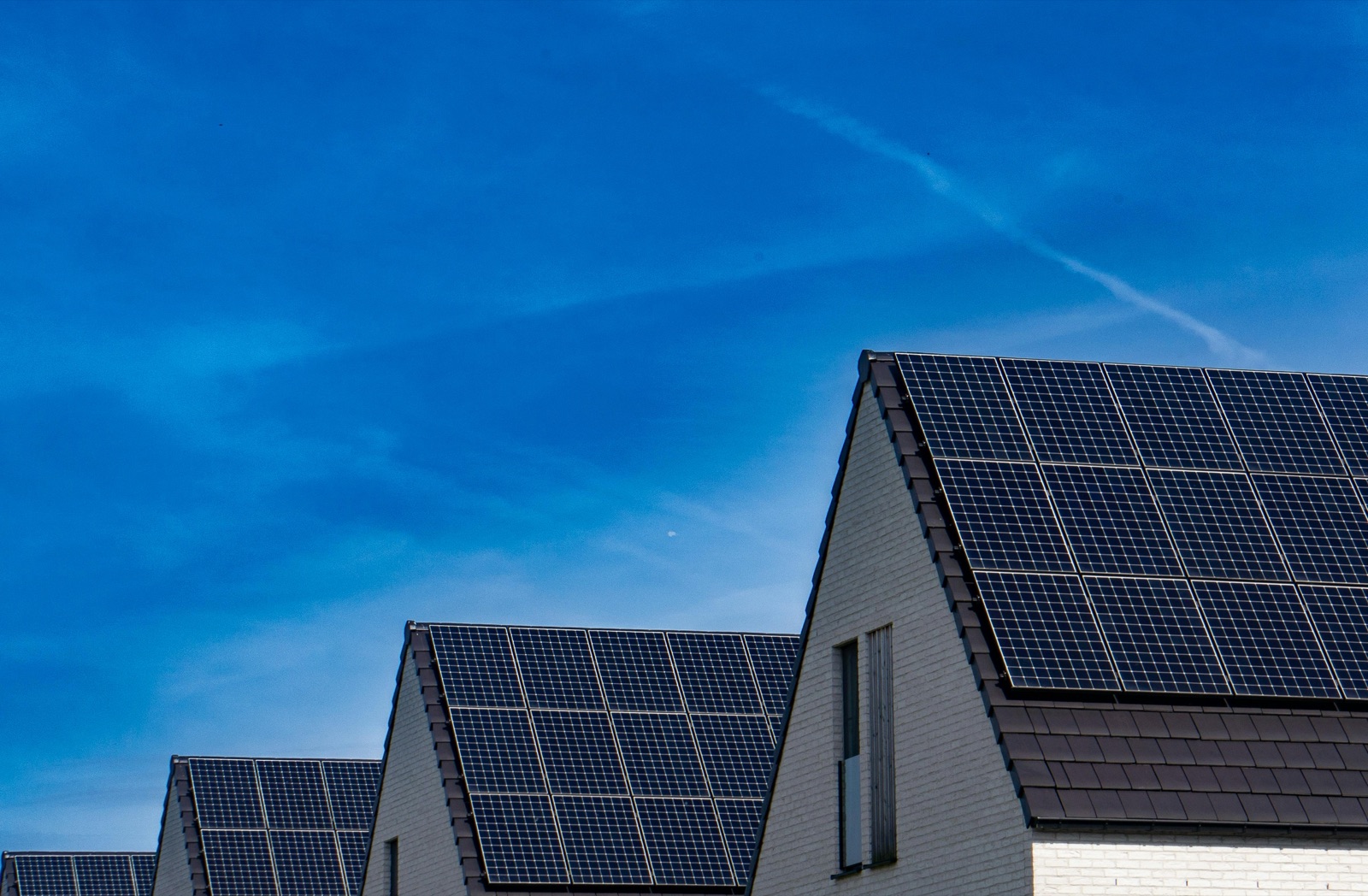
The UK government has published the long-awaited Future Homes Standard (FHS) – a major policy shift that will define how new homes are designed, built and powered.
After years of consultation, the direction is now clear. All new homes will be required to operate with low-carbon heating systems, and the vast majority will need to include rooftop solar panels as standard. For housebuilders, this marks a change in how homes generate and use energy – and a move toward fully electrified, low-carbon housing.
This guide outlines what the Future Homes Standard includes, what the on-site renewable energy generation requirement means in practice, and how developers can prepare.
What Is the Future Homes Standard?
The Future Homes Standard is the UK government’s framework for ensuring that all new homes are net zero-ready. It introduces a broad set of measures aimed at improving overall energy performance and future-proofing new homes.
Homes delivered under the standard are expected to produce 75% fewer greenhouse gas emissions than those built under the 2013 Building Regulations. This will be achieved primarily through:
- On-site renewable energy generation on most new homes (in practice, rooftop solar PV)
- Low-carbon heating systems, such as air source heat pumps, or connection to low-carbon heat networks
- Stronger building fabric requirements, including improved airtightness
The policy is designed to reduce reliance on fossil fuels, improve energy efficiency, and lower long-term household energy costs. It also reflects a broader shift in the UK energy system. Against a backdrop of global energy instability and rising oil and gas prices, energy security has become a growing priority for the government. Homes are no longer viewed solely as consumers of energy, but as part of a more decentralised system in which they also generate and manage electricity.
Solar Panels Set to Become Mandatory in New Build Homes
One of the most significant elements of the Future Homes Standard is the requirement for on-site renewables on the vast majority of new homes. Installed system sizes must be equivalent to the capacity of solar covering at least 40% of the building’s ground floor area. In practice, rooftop solar is the only practical way to meet this requirement.
This represents a clear departure from how solar has typically been deployed in residential development. In many cases, systems have been installed in minimal configurations, designed primarily to meet compliance thresholds rather than to support meaningful household energy demand.
Under the Future Homes Standard, solar will now play a central role in powering homes and improving their energy efficiency.
Why Are On-Site Renewables Like Solar Being Prioritised in the Future Homes Standard?
The growing emphasis on on-site renewable energy generation within housing policy reflects a combination of structural and economic pressures.
The UK remains exposed to fluctuations in global oil and gas markets, and recent periods of volatility have reinforced the importance of reducing reliance on imported fossil fuels. At the same time, the transition to electric heating is expected to increase electricity demand in new homes, particularly as heat pumps replace gas boilers.
Solar is one of the most scalable and cost-effective ways to address both challenges by enabling homes to generate electricity onsite and protecting homeowners from spikes in energy prices. In practice, this means:
- Lower reliance on grid electricity
- Reduced exposure to energy price volatility
- Lower long-term household energy costs
It also provides one of the most practical routes to cutting operational emissions in housing.
What The Future Homes Standard Means for Housebuilders
For developers, the implications of the Future Homes Standard are both technical and commercial.
Solar will need to be considered at the design stage, alongside other core elements of the building. Roof orientation, pitch and layout will have a direct impact on how effectively solar systems can be integrated. Decisions that might previously have been treated as architectural details – such as the placement of vents, dormers or roof features – will now influence energy performance outcomes.
System sizing will also now be regulated. As homes become more reliant on electricity, particularly with the adoption of heat pumps, small solar arrays designed for previous minimum requirements will likely no longer be enough.
There are also implications for SAP scores and EPC ratings. Solar panels contribute directly, helping reduce a home’s reliance on grid electricity and improving overall energy performance.
Will Battery Storage Become Mandatory As Well?
Battery storage is not mandated under the Future Homes Standard, but it is increasingly viewed as an essential component of any home renewable system, and critical to delivering the full benefits of rooftop solar.
Batteries allow homes to store excess solar energy generated during the day and use it later, when demand is higher. This increases the proportion of energy used on-site and reduces reliance on the grid, particularly during peak periods.
As energy systems become more flexible and responsive, storage is likely to play a growing role in how homes interact with the wider grid. For developers, this raises important questions about how far to go beyond minimum compliance and how to design homes that remain effective as energy use patterns continue to evolve.
When Will The New Regulations Come Into Force?
The FHS regulations were published on 24 March 2026. The standard comes into force on 24 March 2027 for most new dwellings (24 September 2027 for higher-risk buildings). A 12-month transition period follows: building work must have commenced under previous regulations by 24 March 2028. After that date, all new homes must be built to FHS.
For developers, the critical question is when Building Regulations applications are submitted and when work starts on site. Schemes already well progressed may proceed under the previous regime if they meet the transitional arrangements. Transitional arrangements operate on an individual building basis, so different homes on the same site may fall under different regulations.
How Will The On-Site Renewables Requirement Affect Planning and Delivery of New Homes?
The introduction of on-site renewables (most often rooftop solar) as a standard requirement will have practical implications for how developments are designed and delivered.
At a project level, integrating solar across entire sites requires earlier coordination between architects, engineers and delivery teams. Decisions around roof design, system specification and electrical layout all need to be aligned from the outset to avoid inefficiencies or redesign later in the process.
There are also operational considerations:
- Coordinating installation across multiple plots
- Aligning solar with roofing and electrical works
- Ensuring consistent system specification across house types
Cost remains an important consideration. Although solar technology has become more affordable, applying it across every home still introduces additional cost pressures. As a result, some developers are exploring alternative delivery models, such as Gryd’s fully-funded solar leasing, which enable solar and battery systems to be installed with no upfront capital expenditure. These models can help housebuilders meet emerging regulatory requirements while maintaining project viability and avoiding additional cost being passed on to buyers.
As solar becomes a standard feature of new homes, how it is delivered will become increasingly important. Partnering with the right suppliers can help ensure systems are specified correctly, deployed consistently at scale, and integrated without adding complexity to the build process.
Coordinating with Electric Heating Systems
Alongside on-site renewable energy generation, the Future Homes Standard requires all new homes to use low-carbon heating systems, with air source heat pumps set to be the default.
This marks a clear shift away from gas boilers and toward fully electrified homes. While heat pumps are highly efficient, they also change a home’s energy profile – increasing reliance on electricity rather than gas.
This makes onsite generation even more important. As electricity demand rises, particularly for heating and hot water, solar can help offset that load, reduce running costs and improve overall energy performance.
What is the Government Trying to Achieve?
At its core, the Future Homes Standard is designed to accelerate the UK’s transition to a low-carbon, more energy-secure housing system.
The government’s aim is to reduce reliance on fossil fuels, cut household energy bills, and ensure that new homes are built to meet net zero targets without the need for costly retrofits in the future. In doing so, it is shifting housing policy away from incremental efficiency improvements toward a more fundamental change in how homes are powered.
Solar plays a central role in this strategy. By enabling homes to generate electricity onsite, it helps reduce demand on the grid, lowers carbon emissions, and supports the wider electrification of heating and transport.
For housebuilders, this signals a move beyond compliance alone. The Future Homes Standard is designed to embed energy performance into the fabric of every new home – aligning housing delivery with the UK’s broader climate and energy objectives.
How Can Developers Prepare for the Future Homes Standard?
Now that the Future Homes Standard has landed, developers are in a period of transition.
Early preparation will be key. This includes:
- Reviewing current design standards and specifications
- Assessing how solar can be integrated across developments
- Considering system sizing in relation to future energy demand
- Understanding how solar interacts with heating systems and energy metrics
As requirements evolve, those who adapt early will be better positioned to deliver homes that meet both regulatory expectations and market demand.
For developers exploring how to integrate solar effectively, models such as fully funded solar and battery systems can help reduce complexity and avoid upfront costs. Gryd works with housebuilders across the UK to support this approach, helping deliver compliant, future-ready homes while keeping projects on track.
If you’re reviewing your strategy in line with the Future Homes Standard’s requirements, get in touch to discuss how solar can be deployed across your developments. You can also use our free FHS Ready tool to check your development against the confirmed requirements, and see how Gryd’s zero-cost solar model closes the gap.

