Are you Future Homes Standard ready?

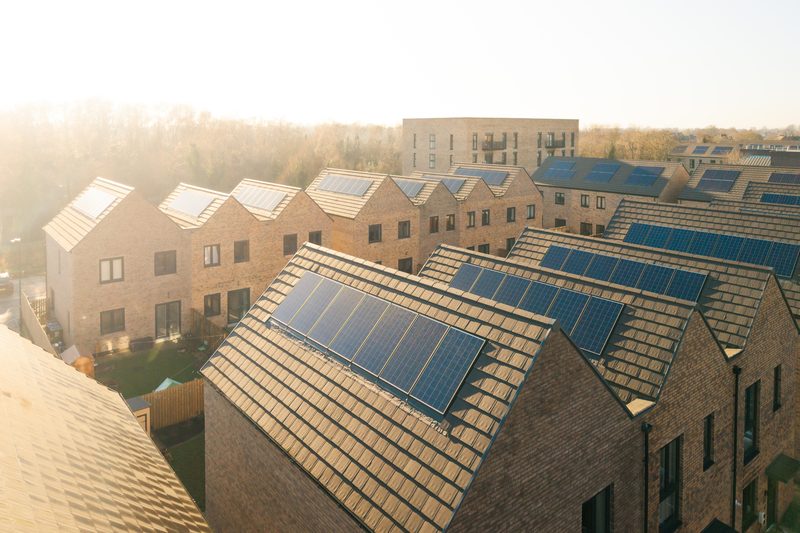
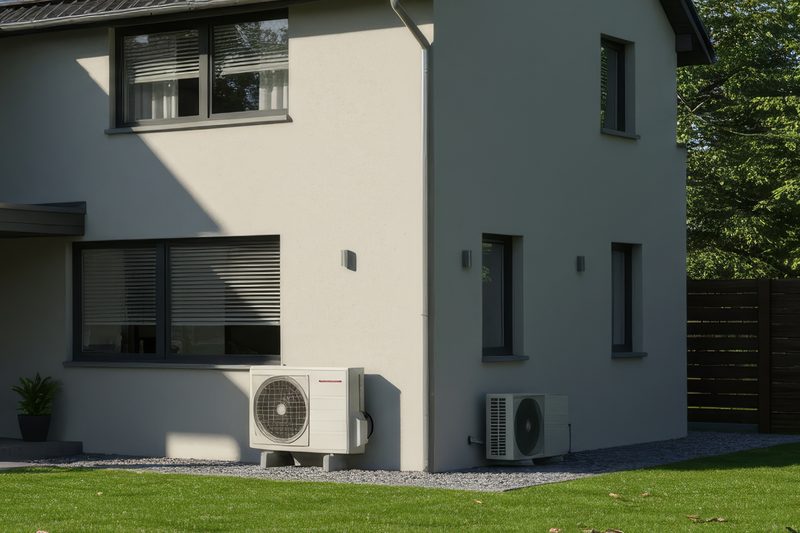
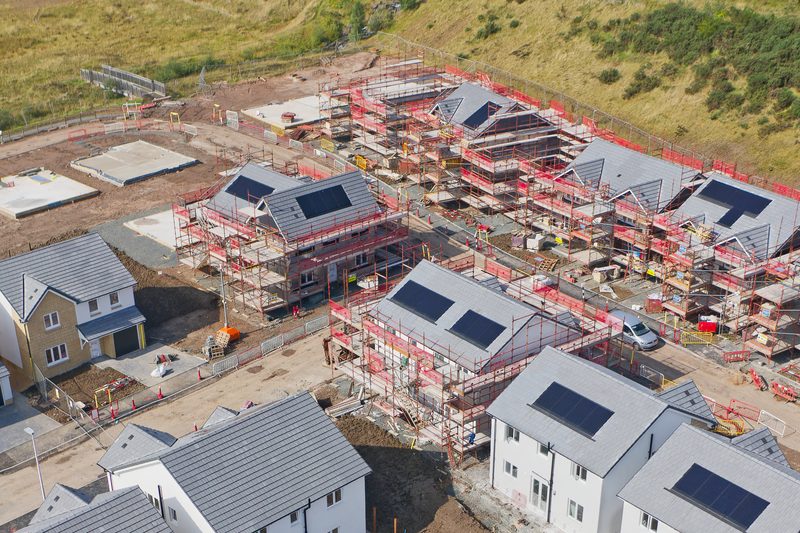
The Future Homes Standard represents the most significant upgrade to how we build homes in England in a generation. Published on 24 March 2026, the new regulations require new homes to produce 75% fewer greenhouse gas emissions, achieved through on-site renewable energy generation on most new roofs (in practice, rooftop solar PV), low-carbon heating systems such as air source heat pumps replacing gas boilers, and enhanced building fabric performance including improved airtightness. The regulations come into force on 24 March 2027, with a 12-month transition period. Building work must have commenced under previous regulations by 24 March 2028.

For developers, this is a clear signal: the homes being designed today must be ready for a low-carbon future. For homeowners, it means stepping into a home that is cheaper to run, more comfortable to live in, and built to perform for decades, not just pass a minimum standard. The FHS does not just raise the bar. It redefines what a new home should be.

The Future Homes Standard is here. Are you ready?

The FHS requires new homes in England to produce 75% fewer greenhouse gas emissions than homes built under the 2013 Building Regulations. For most developers, that means three things:

  • On-site renewable electricity generation — equivalent to the capacity of solar covering at least 40% of the building’s ground floor area. In practice, rooftop solar PV is the most realistic way to meet this requirement.
  • Low-carbon heatingheat pumps or heat networks replace gas boilers as standard
  • High-performance building fabric — better insulation, airtightness and ventilation

On-site renewables are no longer optional. The regulations were published on 24 March 2026, with compliance required from March 2028. For most homes, solar is the only practical route. The question isn’t whether to install it, it’s how much, what specification, and who pays for it.

Check your housing specification in 60 seconds

Our FHS Readiness assessment takes your current house type specification and tells you exactly what needs to change to meet the Future Homes Standard, with a focus on the solar and energy requirements that matter most to your build programme.

How it works:

  1. Tell us about your house type — select from detached, semi-detached, terraced, or apartment. Enter number of bedrooms and approximate floor area.
  2. Current spec — what heating system is planned? Is solar already in the specification? If so, what size system?
  3. Get your results — a personalised FHS compliance summary showing where you stand today, what gaps exist, and a recommended solar + battery specification to close them.

Solar that meets FHS — at zero cost to you

Gryd funds, installs and manages solar + battery systems on new-build homes. Developers get homes with FHS-compliant solar without adding to build cost. Homeowners get cheaper, cleaner energy from day one.
For developers:

  • £0 upfront cost per plot — Gryd funds the hardware
  • Systems sized to maximise bill savings, not just meet FHS minimums
  • Works across all tenures: private sale, affordable, build-to-rent
  • Solutions for both single family homes and apartment buildings
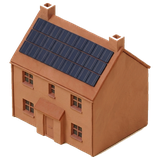
 

For homeowners:

  • ~20% energy bill reduction from day one
  • 70%+ energy covered by solar + battery
  • Fixed subscription price for 25 years — protection from energy price volatility and future inflation
  • maintenance, repair and replacement included
  • The option to take ownership available at any time

FAQs

The Future Homes Standard (FHS) is a set of updated Building Regulations for new homes in England, published on 24 March 2026. It requires new homes to produce 75% fewer greenhouse gas emissions than homes built under the 2013 regulations. It mandates low-carbon heating (such as heat pumps), improved building fabric, and on-site renewable electricity generation. For the vast majority of new homes, rooftop solar PV is the most practical way to meet this requirement.

The FHS regulations were published on 24 March 2026. The standard comes into force on 24 March 2027 for most new dwellings (24 September 2027 for higher-risk buildings). A 12-month transition period follows: building work must have commenced under previous regulations by 24 March 2028. After that date, all new homes must be built to FHS.

For developers, the critical question is when Building Regulations applications are submitted and when work starts on site. Schemes already well progressed may proceed under the previous regime if they meet the transitional arrangements. Transitional arrangements operate on an individual building basis, so different homes on the same site may fall under different regulations.

The FHS introduces a functional requirement for on-site renewable electricity generation, not specifically solar. However, its anticipated that the majority of compliance will be achieved through rooftop solar PV as its the most affordable and realistic way to meet this requirement. Developers must install on-site renewables equivalent to solar coverage of at least 40% of the building’s ground floor area where feasible. Where 40% coverage is not achievable (due to shading, orientation or building type), a reasonable amount of coverage is still required. Some exemptions apply, including high-rise buildings.

The confirmed requirement is on-site renewable electricity generation equivalent to solar coverage of at least 40% of the building’s ground floor area. For a typical 3-bedroom semi-detached home with approximately 80m² of ground floor area, meeting this with solar PV translates to roughly 32m² of panels, or a system of around 4-5 kWp. Gryd recommends larger systems paired with battery storage to maximise energy coverage and homeowner savings beyond the FHS minimum.

Gryd funds the full cost of solar PV and battery hardware through an SPV financing structure. Developers pay nothing to add full scale solar and battery systems to homes. Homeowners pay a fixed monthly subscription that delivers bill savings from day one, with an ownership option available at any time.

Yes. Many developers are specifying minimum-compliant 3–4 panel systems. Gryd can upgrade these to full-scale solar + battery systems that genuinely reduce bills — at no additional cost to the developer.

See how much you could save with Gryd’s Smart Solar

Use our site assessment tool to see how much you could save on build costs with Gryd. Discover your savings in under two minutes!