Meet complianceReduce build costUnlock developments
Homes that are cheaper to build and more affordable to run.
At Gryd, we make solar simple.
Gryd offers developers and homeowners a smarter way to power new-build homes by providing fully-funded solar and storage that exceeds regulations and expectations.

 Sifted


Five steps, from your drawings to a home that powers itself.
- 01
Assess
Send us your planning drawings and we’ll model the optimal solar and battery system, bespoke for every plot. We’ll share an indicative proposal including system design, energy performance, savings and subscriptions, usually within a week.
- 02
Design
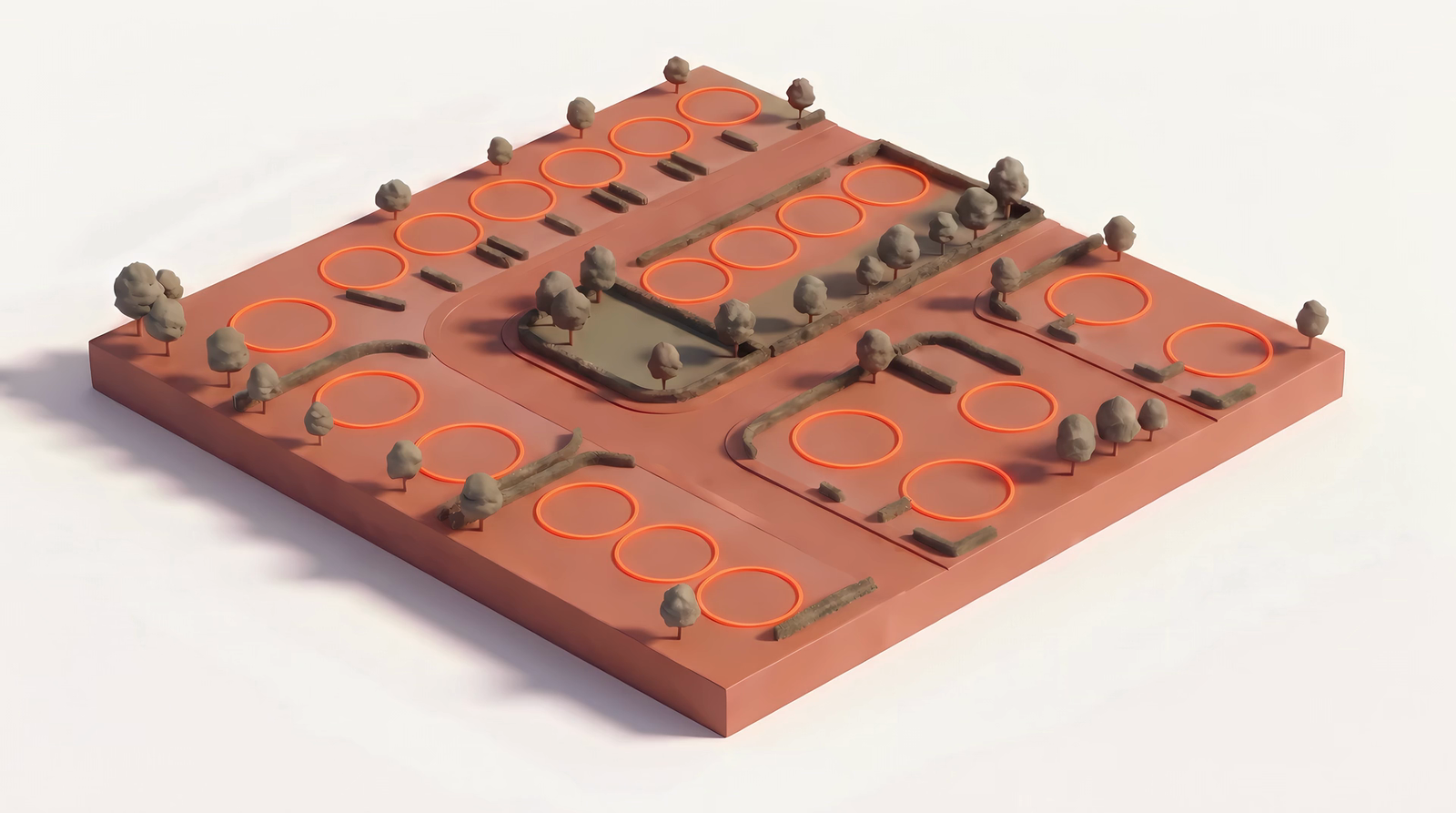
Gryd solar and battery systems are optimally designed for each home’s size, orientation and expected demand. We typically achieve over 70% coverage of a home’s annual energy demand, and 10 to 15 SAP points gained.
- 03
Deploy
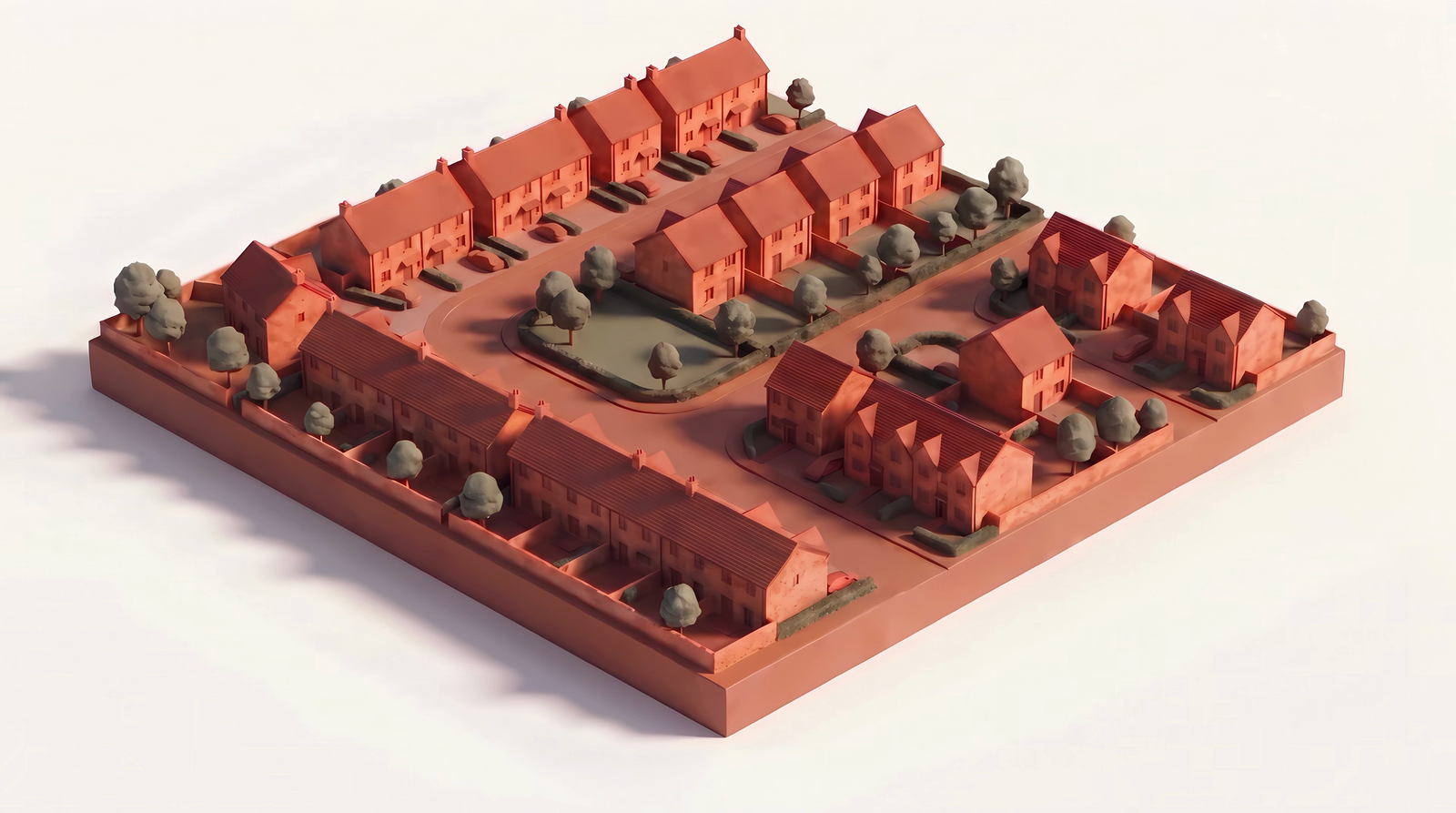
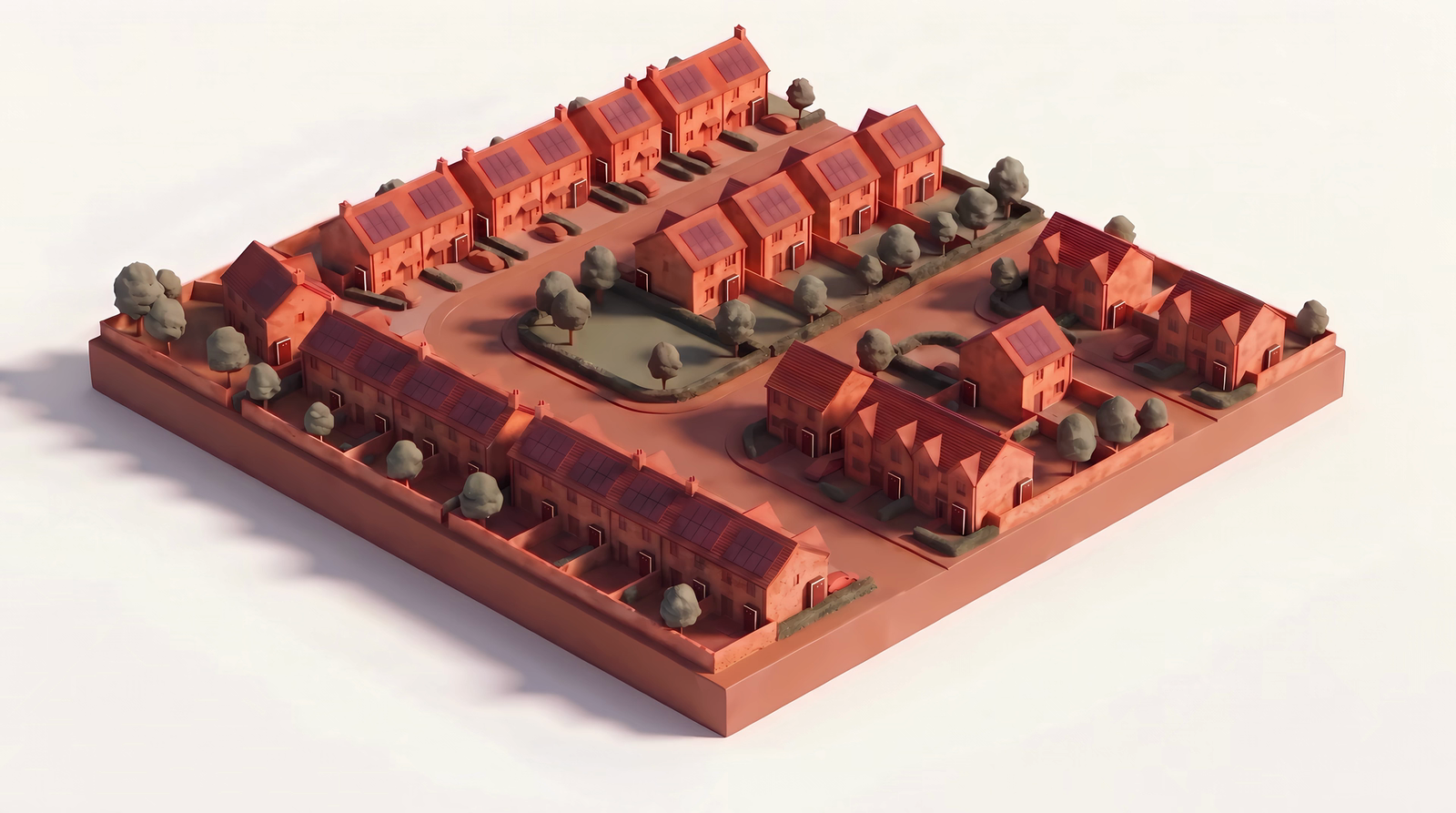
We fund 100% of the hardware, panels, battery and hybrid inverter You install it as part of the build programme using your own team or our trusted partners. Gryd works around your construction programme, everything arrives on site exactly when it is needed.
- 04
Handover
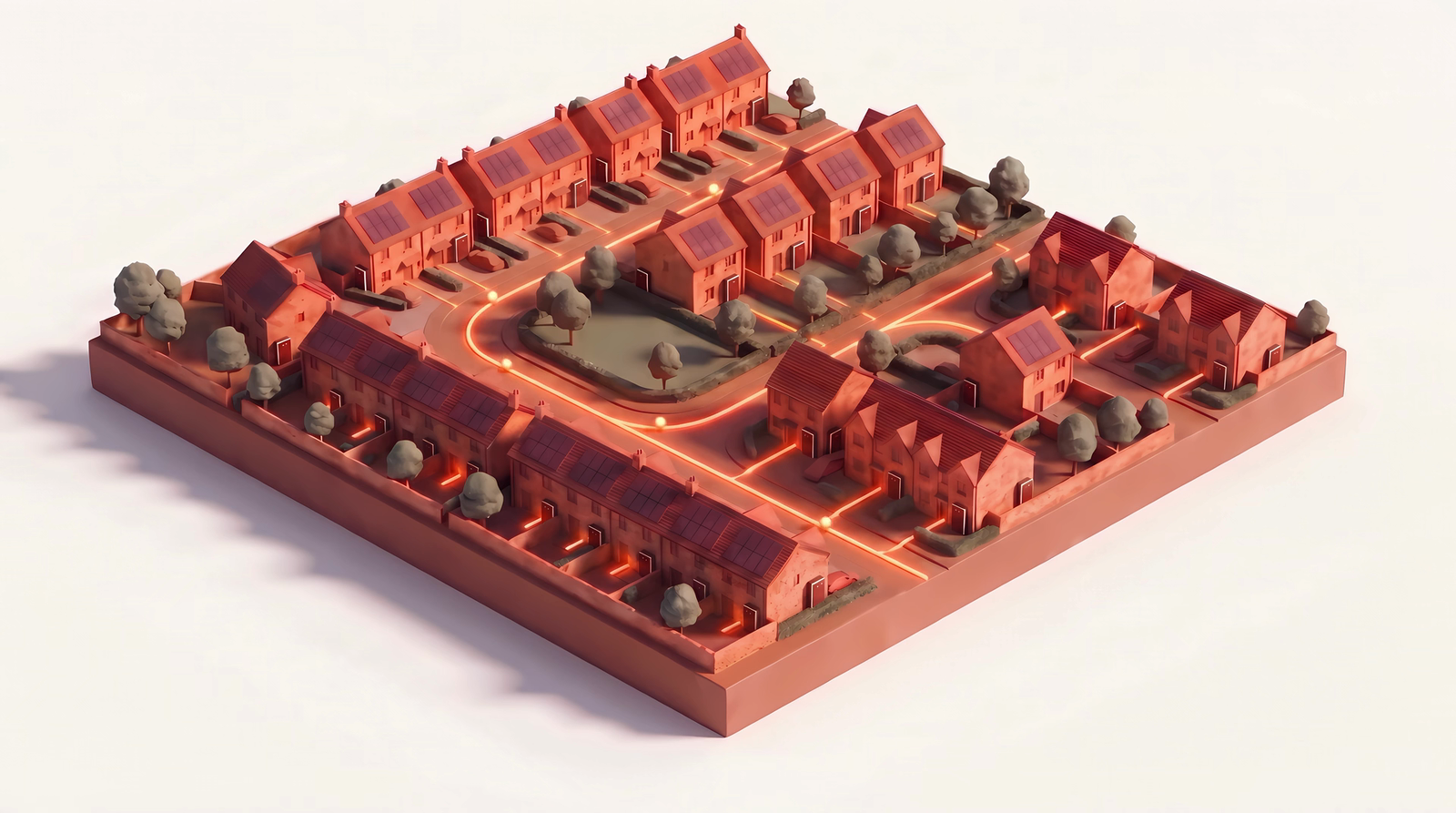
Your buyers can choose to subscribe to our fixed price energy-as-a-service contract or buy-out the system at any stage at a lower cost than a retrofit. Either way they are getting a high quality home that costs less to run.
- 05
Operate and Optimise
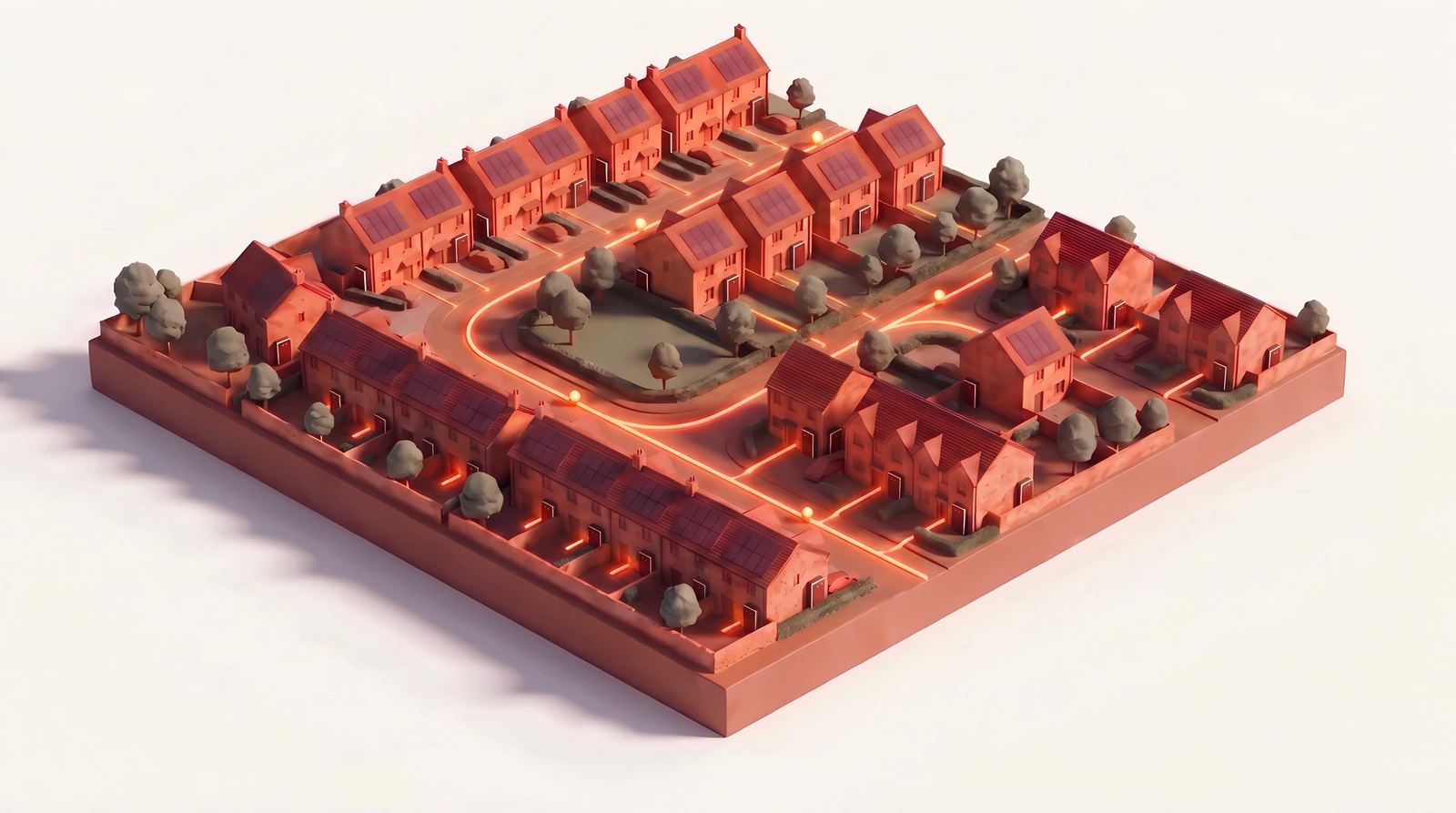
For those who subscribe, Gryd monitors every system 24/7 and intelligently optimises them around each home’s usage and tariff. Gryd maintains the hardware under the Gryd Guarantee for the life of the subscription. Homeowners get full visibility in the Gryd app, plus recommendations on how to reduce whatever they still buy from the grid. No maintenance calls come back to you.


Step 01 of 05, Assess
Trusted by developers. Proven on site.
Lower Farm Mews
Completed project, Tittleshall, Norfolk

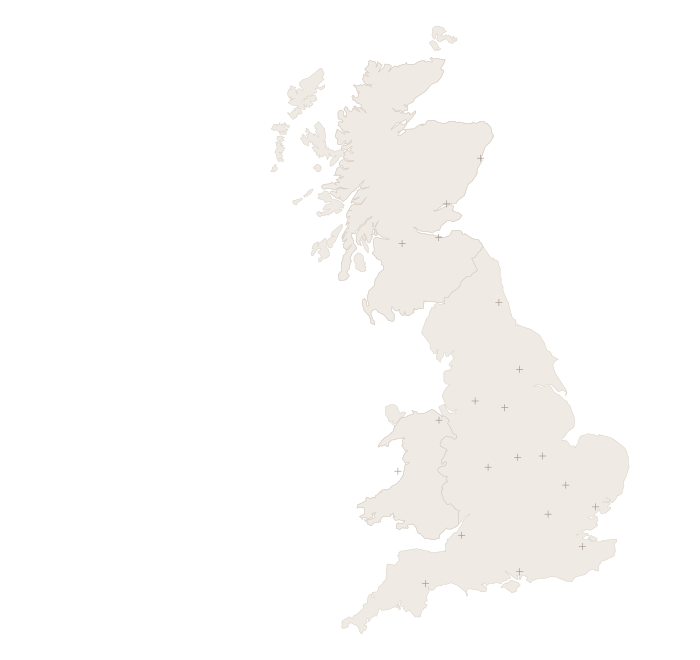
Lower Farm Mews, Tittleshall, Norfolk. Nine new homes with Zero In Developments, four 3-beds and five 4-beds. Solar and battery on every plot, all achieve EPC A, £90k saved on project build cost and a 20% saving on total home energy from day one.
Build homes that power themselves.
Solar may be the new standard, but not all solar is smart. With a fully managed, software-powered model, Gryd delivers high-performance solar systems that work better for homeowners, meet the next wave of regulations, and support the energy system of tomorrow.

For developers
- £0 hardware cost. Gryd funds all solar panel, battery, inverter and monitoring hardware.
- Future Homes Standard compliance. Gryd systems meet and typically exceed the FHS on-site renewable generation requirement.
- SAP uplift of 10 to 20 points, typically an EPC improvement of at least one level.
- No increase in build cost, so homes stay affordable and your margins don't get squeezed.
- Deployable to all unit types. Gryd won't cherry-pick only the best plots like some others, we can deploy smart solar to every unit.

For homeowners
- Lower energy bills from day one, typically 20 to 30%.
- Significant lifetime savings, up to £50,000 over the 25-year life of the system.
- Fixed, inflation-proof subscription, locked in for 25 years.
- 25-year Gryd Guarantee with zero maintenance burden, covering insurance, 24/7 monitoring, servicing and maintenance.
- Flexibility and choice. Homeowners can subscribe to the system or buy it outright at any time for a transparent price that reduces over time.
A battery in every home
is what takes a system
from good
to game changing.

Excess solar fills the battery
With a battery we can typically cover over 70% of a homes energy needs, compared to 20% with panels alone
Energy saved for the evening peak
Energy is stored so it can be used then the family is actually home.
Standard feature for every plot
We include a battery and hybrid inverter as standard, not an upgrade.
What developers say.

We are excited to join forces with Gryd to deliver a substantial EPC uplift for our Enfield development, directly benefiting future residents with lower energy costs and a more sustainable living environment.


We went from a system that might cover 20% of a home's energy needs to one that delivers up to 70% and we didn't have to spend a single extra pound to get there.


Partnering with Gryd helps us deliver homes that cost less to run and meet our high sustainability targets, all without adding a premium to the purchase price.
With Gryd we could add it back, deliver a higher spec and still reduce our costs.
Quick answers to your most pressing questions.
Yes. Gryd funds all solar panel, battery, inverter and monitoring hardware on every plot. The developer pays nothing for the renewable energy equipment. The developer covers installation labour as part of the normal build programme, using their own MCS-certified subcontractor or a Gryd-recommended installer partner.
Gryd systems meet and typically exceed the FHS on-site renewable generation requirement. Systems are designed from a home optimisation perspective, not a minimum compliance perspective, typically delivering a SAP uplift of 10 to 20 points. FHS regulations come into force March 2027.
No. Gryd does not cherry-pick only south-facing or optimally orientated plots. Systems are designed and deployed across all home types, orientations and roof arrangements, including terraces and apartments.
Coordinate the installation as part of the normal build programme. Gryd provides comprehensive support through the deployment. We'll work with you and your installer to schedule hardware deliveries to site in batches aligned with your build programme.
The 25-year subscription transfers with the property. The new owner inherits the same fixed price and benefits. Homeowners can also choose to buy the system outright at any point, at a transparent, depreciation-based price that is cheaper than an equivalent retrofit from day one.
The developer has no ongoing responsibility. All customer care, maintenance, monitoring and warranty obligations sit with Gryd for 25 years, including a mid-life battery and inverter replacement. The homeowner's contract is with Gryd, not the developer.
Each Gryd system is self-contained and operates entirely behind the meter, so there is no shared infrastructure required. The model is fully scalable from a handful of homes to several hundred units.